
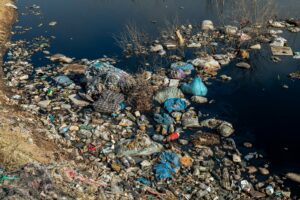
Water pollution in India is a serious environmental problem. Many rivers and lakes are polluted by sewage, factory waste, and plastic. People also throw garbage and chemicals into water bodies. Polluted water is unsafe for drinking and causes many diseases. It also harms fish and other aquatic life. In our culture we worship the river like GANGA, YAMUNA etc. this river is our holly river but also they are polluted. river is easy target decompose to waste but we don’t think how much aquatic life effected. Drinking unsafe water can lead to diseases much as cholera, typhoid, diarrhea, and hepatitis. Rivers and lakes get polluted due to waste and chemicals. We should treat waste properly and keep rivers clean.
MAIN CAUSES:-
-
Industrial waste
-
Sewage dumping
-
Plastic waste
-
Agricultural chemicals (fertilizers, pesticides)
Effects:
-
Unsafe drinking water
-
Water-borne diseases
- Harm to quatic life
Land(soil) pollution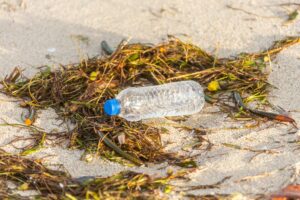
Soil pollution is the contamination of land by harmful waste and chemicals. It is caused by plastic garbage, pesticides, fertilizers, and industrial waste. These harmful substances reduce soil fertility and damage crops. Polluted soil can also contaminate groundwater. It affects plants, animals, and human health. Proper waste disposal and less chemical use can help prevent soil pollution.
-
Plastic and solid waste
-
Chemical fertilizers
-
Industrial dumping
-
E-waste
Effects:
-
Reduced soil fertility
-
Contaminated crops
- Groundwater pollution
Noise pollution
Noise pollution is caused by excessive and unwanted sound in the environment. It comes from traffic, loudspeakers, factories, and construction work. Continuous loud noise disturbs daily life and causes stress. It can lead to hearing problems and sleep disturbance. Noise pollution also affects animals and birds. We can reduce it by controlling loud sounds and following noise rules.
MAIN CAUSES:-
-
Traffic
-
Loudspeakers
-
Construction work
-
Factories
Effects:

-
Stress and headaches
-
Hearing problems
- Sleep disturbances
Conclusion and Solutions
Pollution in India is a serious problem that affects our health, environment, and future. But it can be controlled if we take proper steps. Everyone must work together to reduce pollution.
Solutions:
-
Plant more trees and protect green areas.
-
Use public transport, cycle, or walk to reduce air pollution.
-
Dispose of waste properly and avoid plastic.
-
Treat industrial and sewage water before releasing it into rivers.
-
Reduce the use of chemical fertilizers and pesticides.
-
Control noise by avoiding loudspeakers and unnecessary honking.
By following these steps, we can make India cleaner, healthier, and a better place to live for future generations.